October 28, 2026
A wedding reception gives couples an opportunity to celebrate their marriage with family and friends in a setting that reflects their personalities. From choosing the atmosphere to planning the schedule, each decision shapes the guest experience. Focusing on comfort, organization, and meaningful moments can help create an enjoyable event without making planning overwhelming. This article covers practical tips for setting a budget, choosing a venue, coordinating the schedule, and creating an inviting atmosphere.
Establishing a Clear Vision
Couples should consider the atmosphere they want for their celebration before making major decisions. Some prefer a formal gathering with traditional elements, while others want a relaxed setting where guests can socialize and enjoy the evening. Defining these preferences early helps guide choices about the venue, decorations, entertainment, and schedule. It is also helpful to identify what matters most to both partners, whether that means spending time with loved ones or creating a lively celebration with music and dancing. Agreeing on priorities makes it easier to manage the budget and decide which details deserve the most attention. A clear vision helps create a consistent atmosphere. Decorations, lighting, and music should complement one another without competing for attention. Rather than following every trend, couples can select ideas that reflect their preferences and create a comfortable, personal experience.
Setting a Realistic Budget
A budget helps couples make practical planning decisions. Before committing to a venue or major expenses, they should set a spending limit and identify priorities. Common costs include the venue, food, beverages, entertainment, decorations, photography, and transportation. Separating essential expenses from optional additions helps couples focus on what matters most to guests. Comfortable seating, suitable lighting, and an organized schedule may have a greater impact than elaborate decorations or extra activities. Unexpected costs can arise, so setting aside funds for additional expenses is helpful. Couples should review agreements, confirm what is included, and ask about extra charges. Event organizers can also help clarify costs and identify ways to manage the available budget.
Choosing the Right Venue
The venue affects the reception's atmosphere, layout, and guest capacity. Couples should consider their guest list, celebration style, and location when comparing spaces. A suitable venue can make the event easier to organize and more enjoyable for guests. Beyond capacity, the space should allow guests to move comfortably between tables and shared areas. Accessibility, restrooms, parking, and travel distance are also important considerations. Before deciding, couples should review venue policies, available facilities, setup arrangements, and any restrictions. For outdoor events, they should also consider weather conditions and backup indoor options. Seeking professional guidance can help couples compare venues and choose a space that fits their plans.
Creating a Welcoming Atmosphere
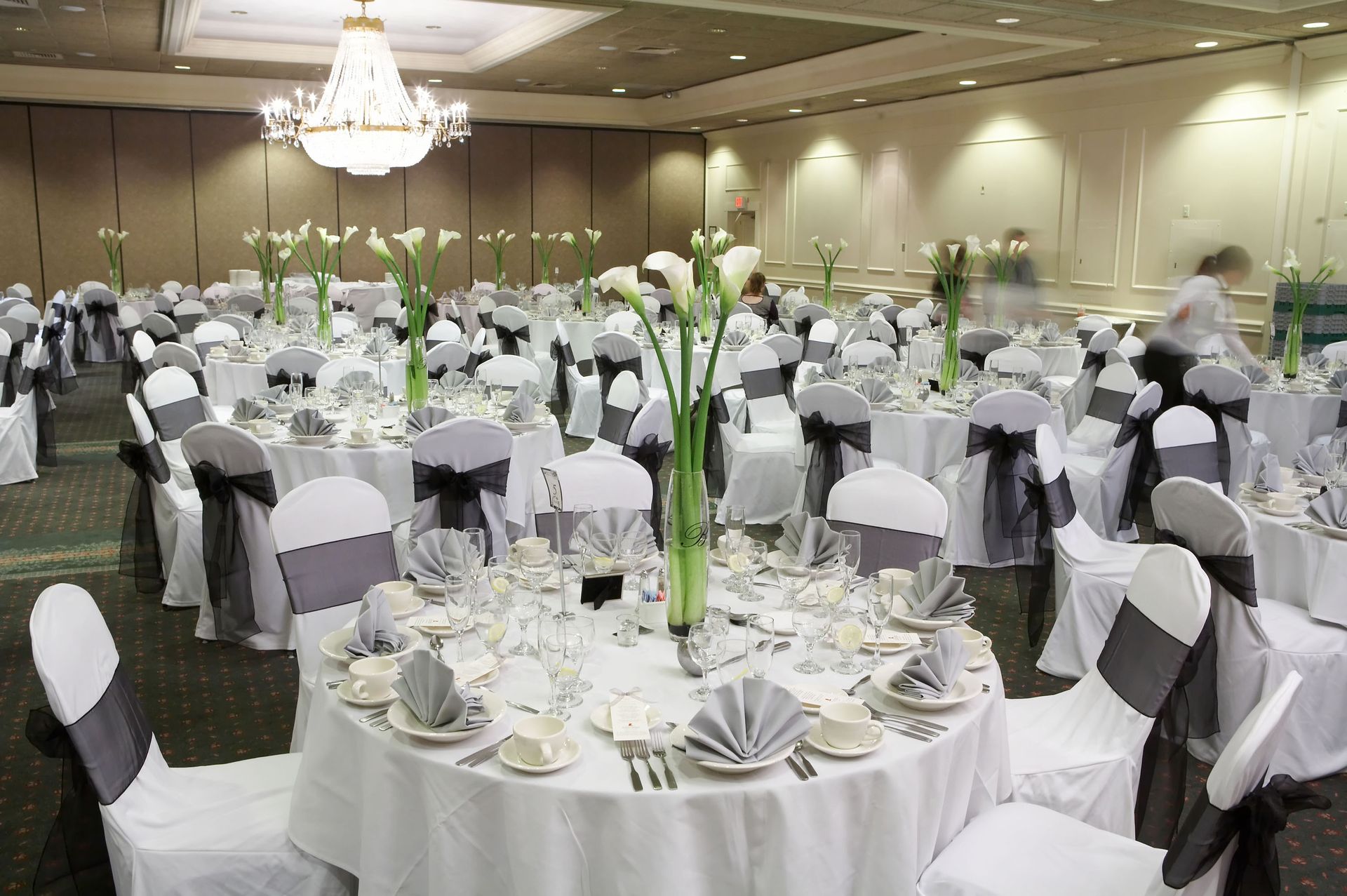
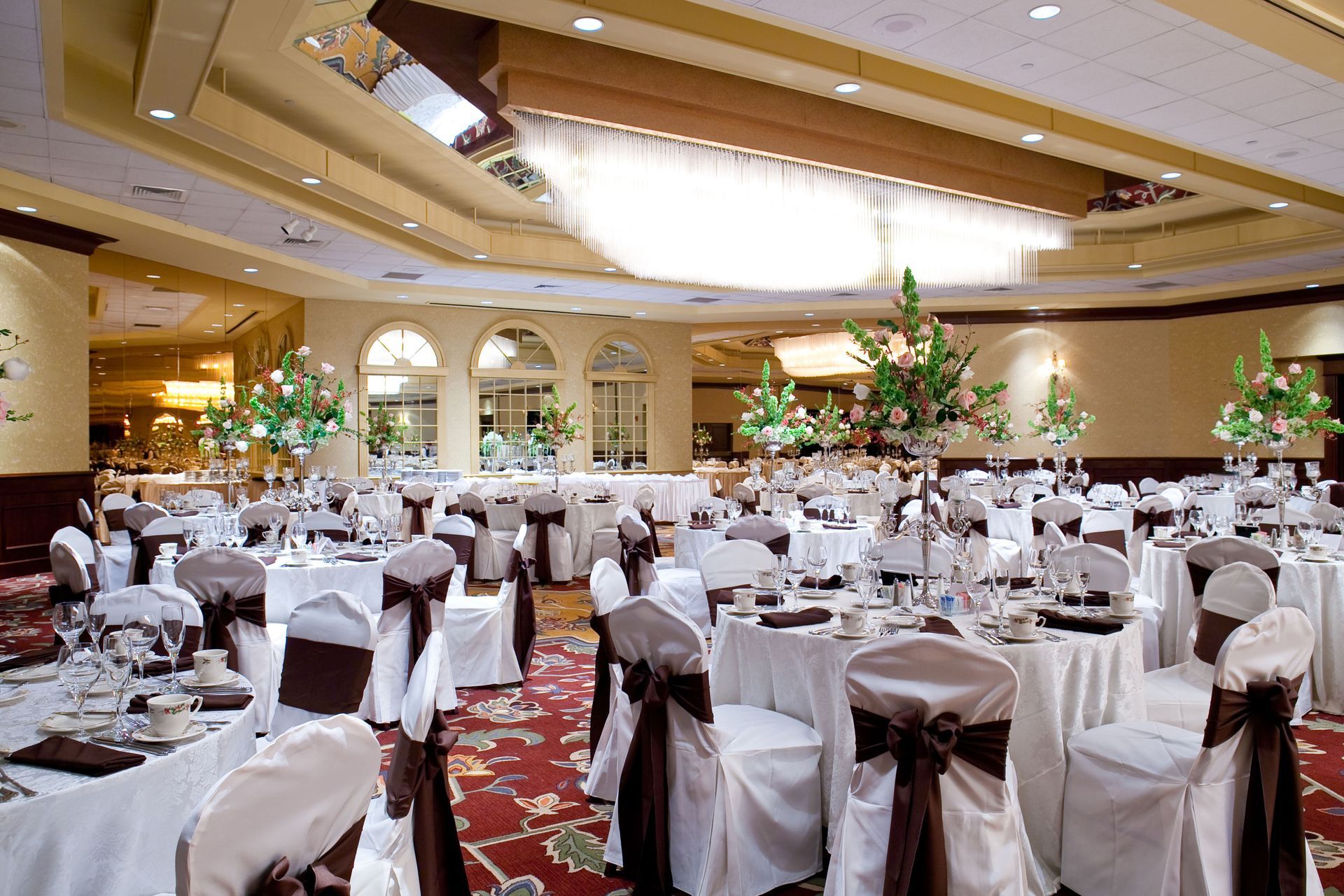
The atmosphere of a wedding reception depends on how lighting, colors, seating, decorations, and music work together. These elements do not need to be elaborate to create an inviting setting that reflects the couple's preferences. Choosing a consistent color scheme and decorations that complement the venue can help create a cohesive appearance. Lighting helps shape the mood, with brighter settings suited to dining and softer lighting creating a relaxed feel later in the evening. Table arrangements should also allow guests to interact comfortably while providing accessible seating and quieter areas when needed. Personal touches, such as photographs or decorations tied to shared experiences, can make the celebration more meaningful. A balanced design keeps the space attractive and comfortable without overcrowding it or making movement difficult.
Organizing the Schedule
A clear schedule helps the celebration move smoothly between activities. Couples should coordinate guest arrivals, dinner, speeches, special dances, and other planned moments. Setting approximate times gives everyone a shared plan to follow. The schedule should also allow for flexibility, since activities may take longer than expected. Leaving extra time between major moments can help prevent small delays from affecting the evening. Clear communication is equally important. Couples should share a written timeline with event organizers and assign someone to manage transitions and answer questions. Reviewing the schedule before the event can help identify potential conflicts and clarify responsibilities. This allows them to spend more time with guests rather than handling every detail themselves.
Balancing Tradition and Personal Choices
Wedding traditions can add meaning to a celebration, but couples do not need to include every familiar activity. Some may prefer speeches, formal entrances, and special dances, while others want a more relaxed approach. The best choices reflect the couple's values and preferences. When choosing traditions, consider how they fit the event and the time available. Toasts can give loved ones a chance to share meaningful words, while group activities can help guests connect. Couples should also consider guests' ages, backgrounds, and comfort levels when planning activities. Giving guests opportunities to participate without requiring everyone to join can make the celebration more welcoming. A thoughtful mix of traditions and personal choices can make the celebration feel distinctive while keeping the focus on the marriage.
Using Planning Tools Thoughtfully
Digital tools can help couples organize information, compare ideas, and track important decisions. Shared calendars and online checklists also make it easier to coordinate schedules and communicate with others involved in the planning process. According to The Knot, a survey of 228 engaged couples showed that 36% of respondents reported actively using AI in their wedding planning and 30% have used image-based AI tools for wedding inspiration or planning. These findings show how technology can help couples explore ideas and organize their plans. However, online suggestions should be treated as starting points. Couples should confirm costs, availability, and venue policies directly with providers while considering their own preferences and practical needs. Technology can simplify planning, but personal judgment and clear communication remain important.
Preparing for Guest Comfort
Guests are more likely to enjoy the celebration when their basic needs are considered. Comfortable seating, accessible pathways, suitable room temperatures, and convenient restroom access can make a difference. Couples should also consider parking, arrival arrangements, and whether transportation is needed. Food and beverages are another important part of the guest experience. When planning the menu, consider the schedule, guest count, and any dietary requirements shared in advance. Clear communication about meal arrangements gives guests a better idea of what to expect and allows time to address special requests. Entertainment should also suit the group. Music can encourage dancing, while quieter periods allow guests to talk and reconnect. Offering a mix of activities helps accommodate different preferences. Couples should also consider children, older relatives, and guests who may appreciate a quieter area away from the main activity.
Coordinating Professional Support
Planning a celebration involves many moving parts, and coordinating every detail can become difficult as the date approaches. Event organizers can manage logistics, communicate with providers, organize setup, and address unexpected issues, reducing the responsibilities couples handle during the event. The support needed depends on the event's size and complexity. Some couples may need help throughout the planning process, while others may only need assistance with final arrangements. Discussing expectations early helps clarify responsibilities and prevent overlooked tasks. Couples should share their priorities, budget, schedule, and specific requirements with the professionals involved. Written agreements and confirmed timelines help keep plans organized, allowing couples to focus on their guests rather than managing logistical problems.
A memorable celebration does not depend on elaborate decorations or following trends. Meaningful moments come from spending time with loved ones, sharing stories, and creating opportunities for guests to connect. Leaving room for conversation and capturing important moments can help preserve lasting memories. Thoughtful planning and clear coordination help create an organized, comfortable atmosphere that reflects the couple's priorities. By focusing on the overall experience rather than perfecting every detail, couples can create a personal and enjoyable event. Couples planning a wedding reception can contact Curate to discuss their goals and explore how the right setting and coordination can bring their plans together.